Taste Escape at Nima Social House: A Culinary Escape in Larnaca
Click here for the Greek version of the review
Our love for gastronomy, fine wine and exceptional spirits brought us together, inspiring Taste Escape and creating unique journeys through the world of food, hospitality and beyond.
Our first stop was the brand-new Nima Social House in Larnaca. Under the guidance of Anglo-Cypriot chef Eleni Katelanou, and in collaboration with its three owners, the restaurant has already made a strong impression and is generating considerable buzz on the city’s vibrant culinary scene.
From the moment we met at the entrance of the restaurant, the curiosity on our faces was unmistakable. What, we wondered, could possibly lie behind the reputation surrounding this place?
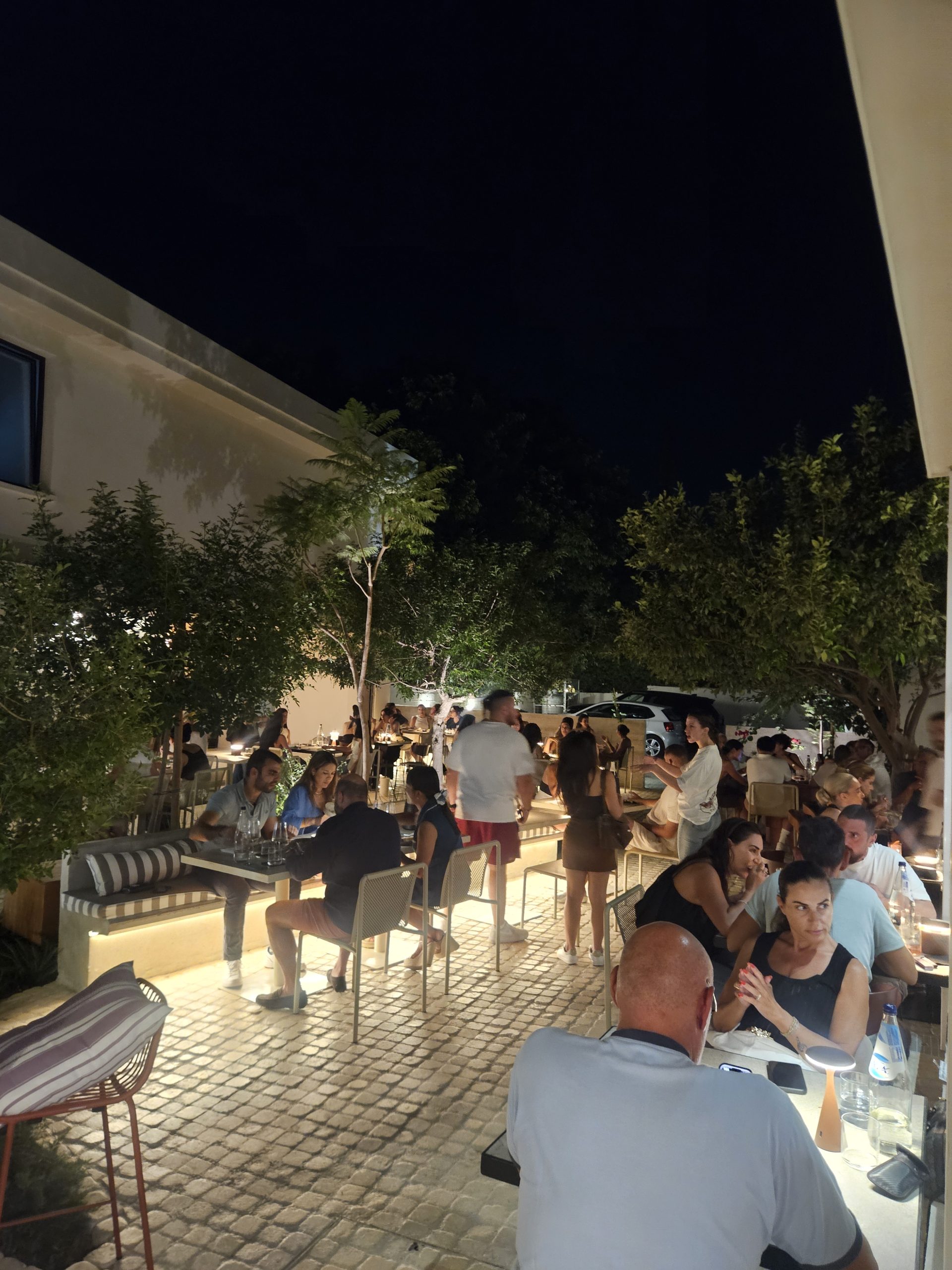
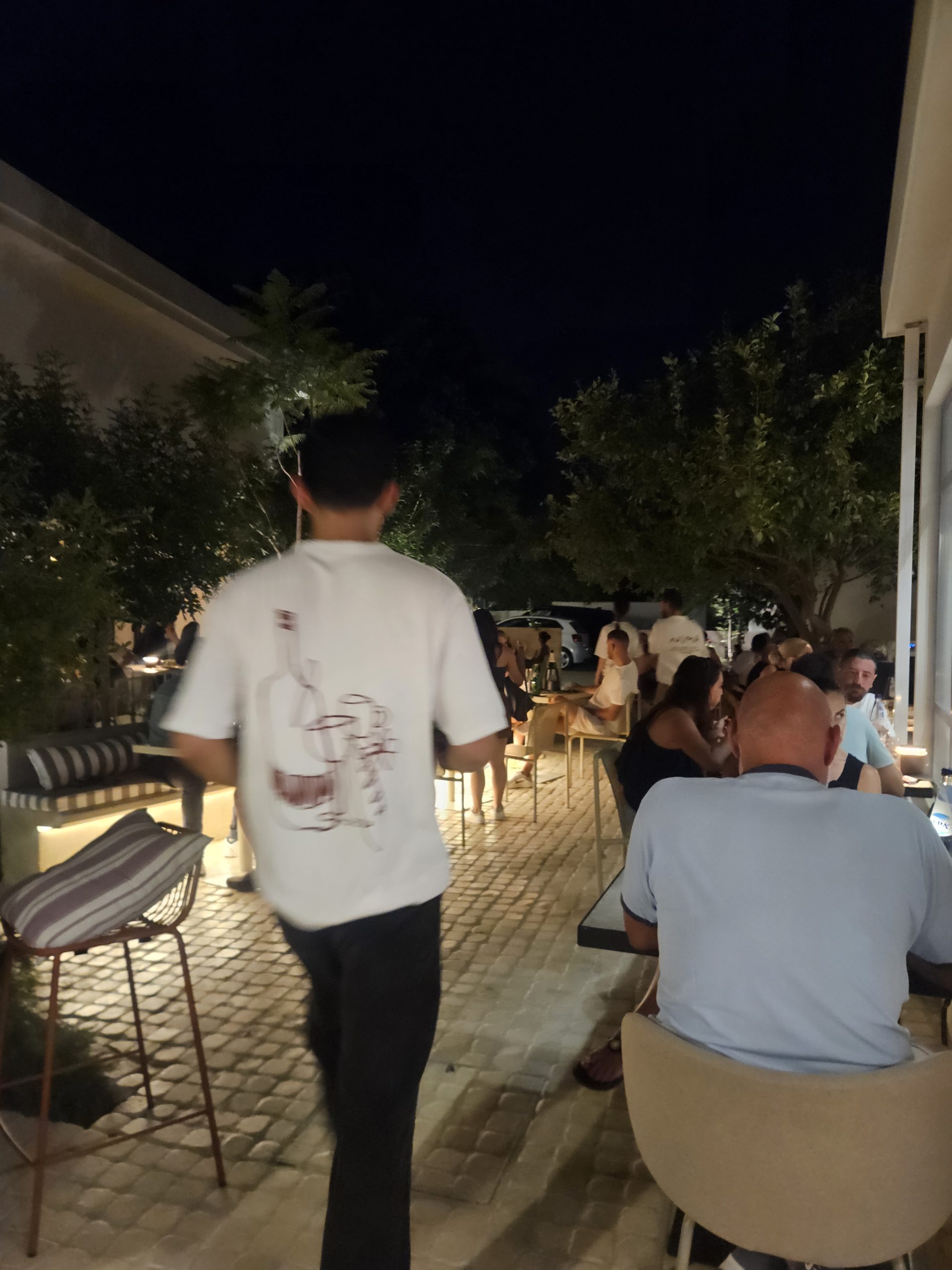
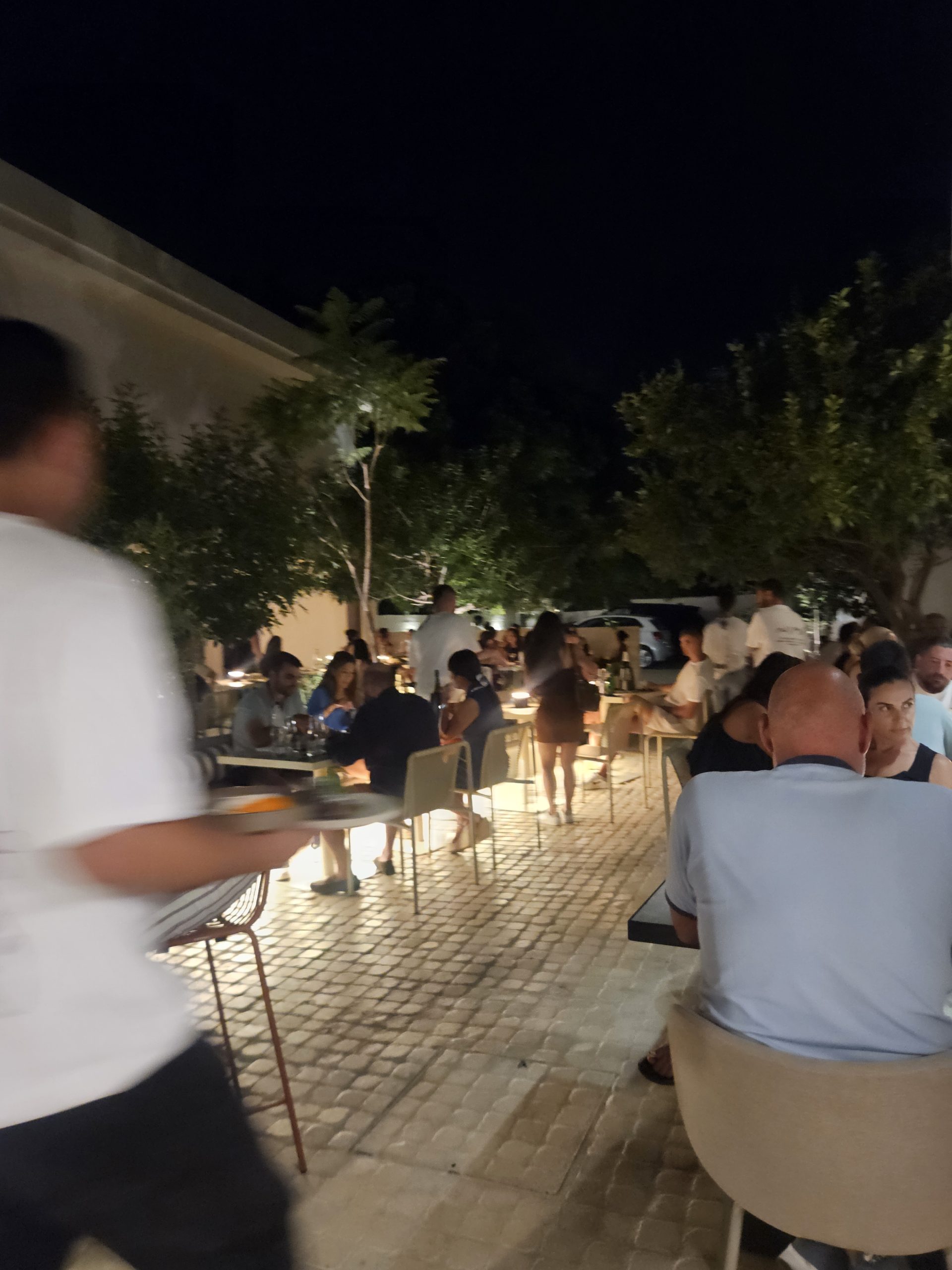
The outdoor area immediately caught our attention. A minimalist approach, complemented by carefully considered details, transforms it into a true gem for the area. The colours of the garden, combined with the Greek music selections, set our imagination wandering down paths filled with flavour and creativity.
A first look at the menu introduced us to familiar Cypriot flavours alongside bold Mediterranean influences. Its structure was simple and straightforward, divided into the categories Soil, Sea and Land, with dishes that radiate energy, creativity and a clear desire to establish a distinctive culinary identity.
We began with a Cypriot salad, full of freshness and balance, accompanied by freshly baked bread, flakes of sea salt and exceptional Cypriot olive oil.
The taramas was rich and flavourful, although the rather pronounced presence of garlic slightly affected the overall balance of the dish.
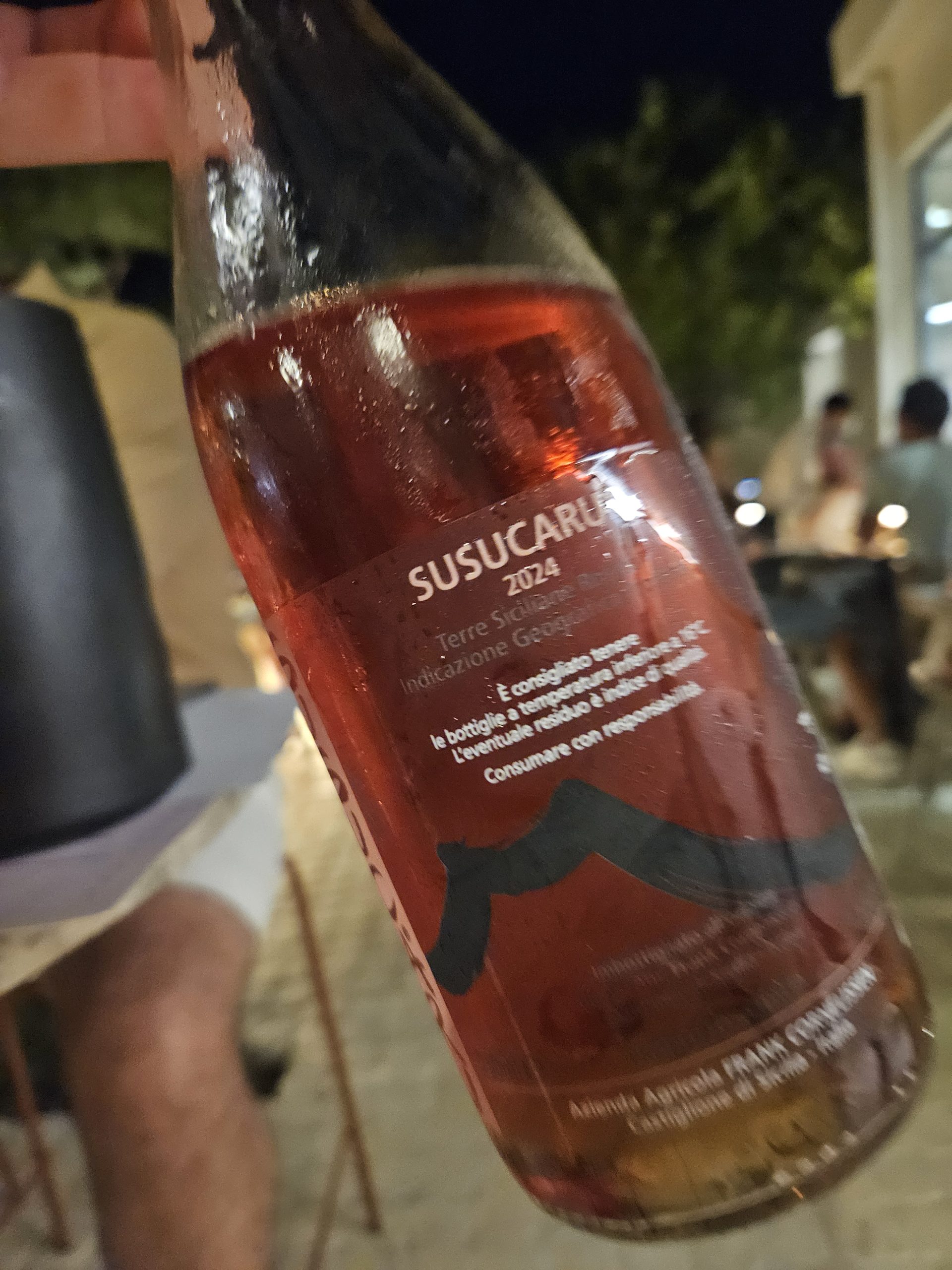
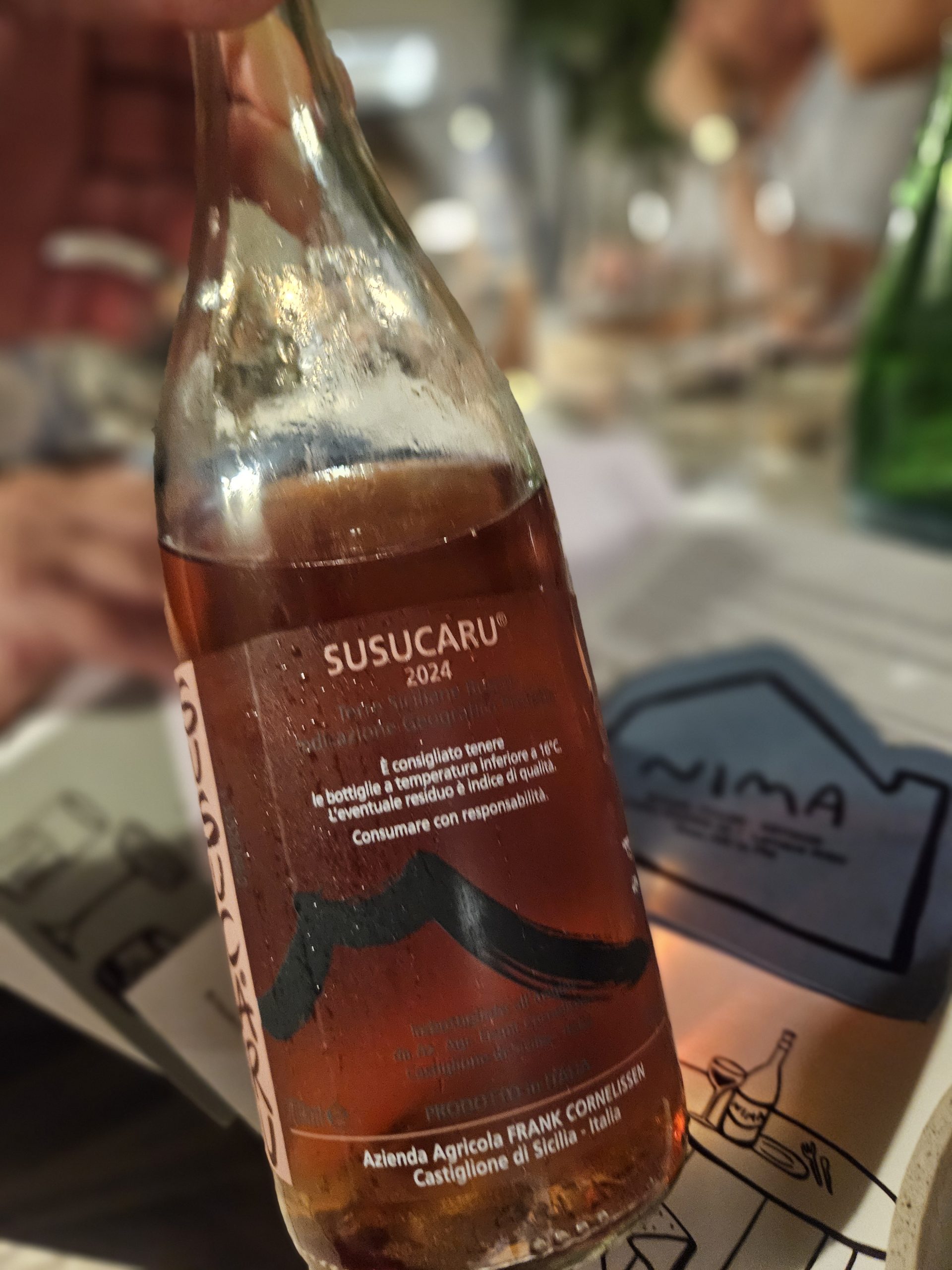
For our first wine, we chose Susucaru Rosato by Frank Cornelissen, an Italian rosé and one of Sicily’s best-known natural rosés, produced on the slopes of Mount Etna. Made primarily from Nerello Mascalese, together with Malvasia, Moscadella and Catarratto, it offered aromas of red berries and citrus, making it a particularly enjoyable companion for the beginning of the evening.
The zucchini fritters arrived at our table with a crisp outer crust and rich flavour. The accompanying yoghurt mousse added freshness and balance, elevating the dish and giving it a pleasantly light finish.
Next came the oven-baked halloumi with subtle notes of honey—a dish where Cypriot tradition meets a contemporary gastronomic approach.
Our second wine selection proved particularly intriguing. It was a popular German natural wine produced by siblings Pauline and Carl Baumberger, sixth-generation members of the family behind Weingut Baumberger in the Nahe region. Guided by a low-intervention winemaking philosophy, the wine authentically expressed the character of both its terroir and grape variety.
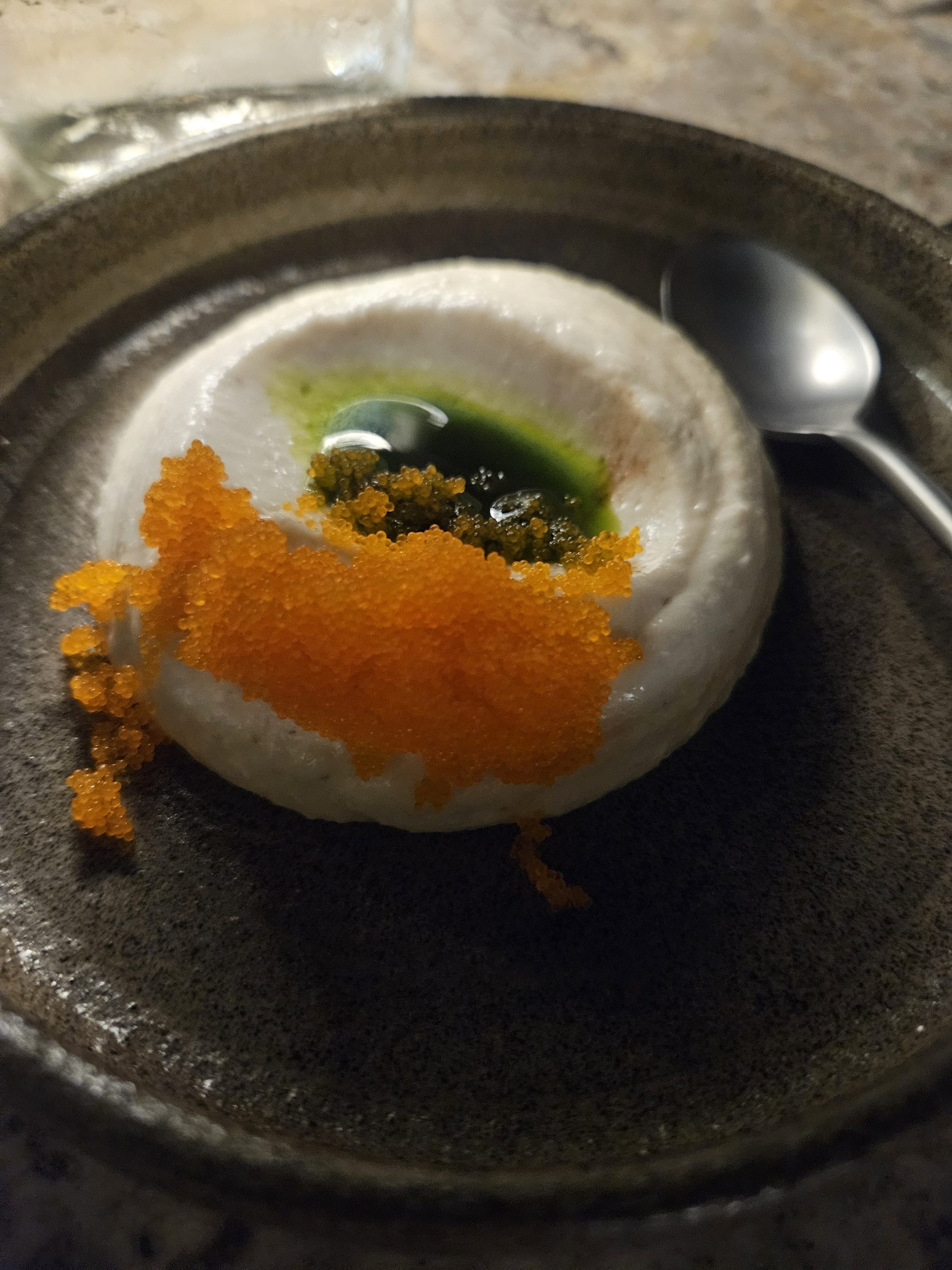
At that point, the kitchen seemed to transform into a canvas. The chef metaphorically put down her cooking utensils and, like a painter, presented a dish bursting with colour and imagination. The sea bream crudo, paired with the wine’s notes of peach, ginger and elderflower, created a beautiful and harmonious contrast of flavours.
Meanwhile, the atmosphere in the restaurant was full of energy. Smiles, lively conversations and good spirits filled the space, allowing us to leave the worries of everyday life behind, if only for a while.
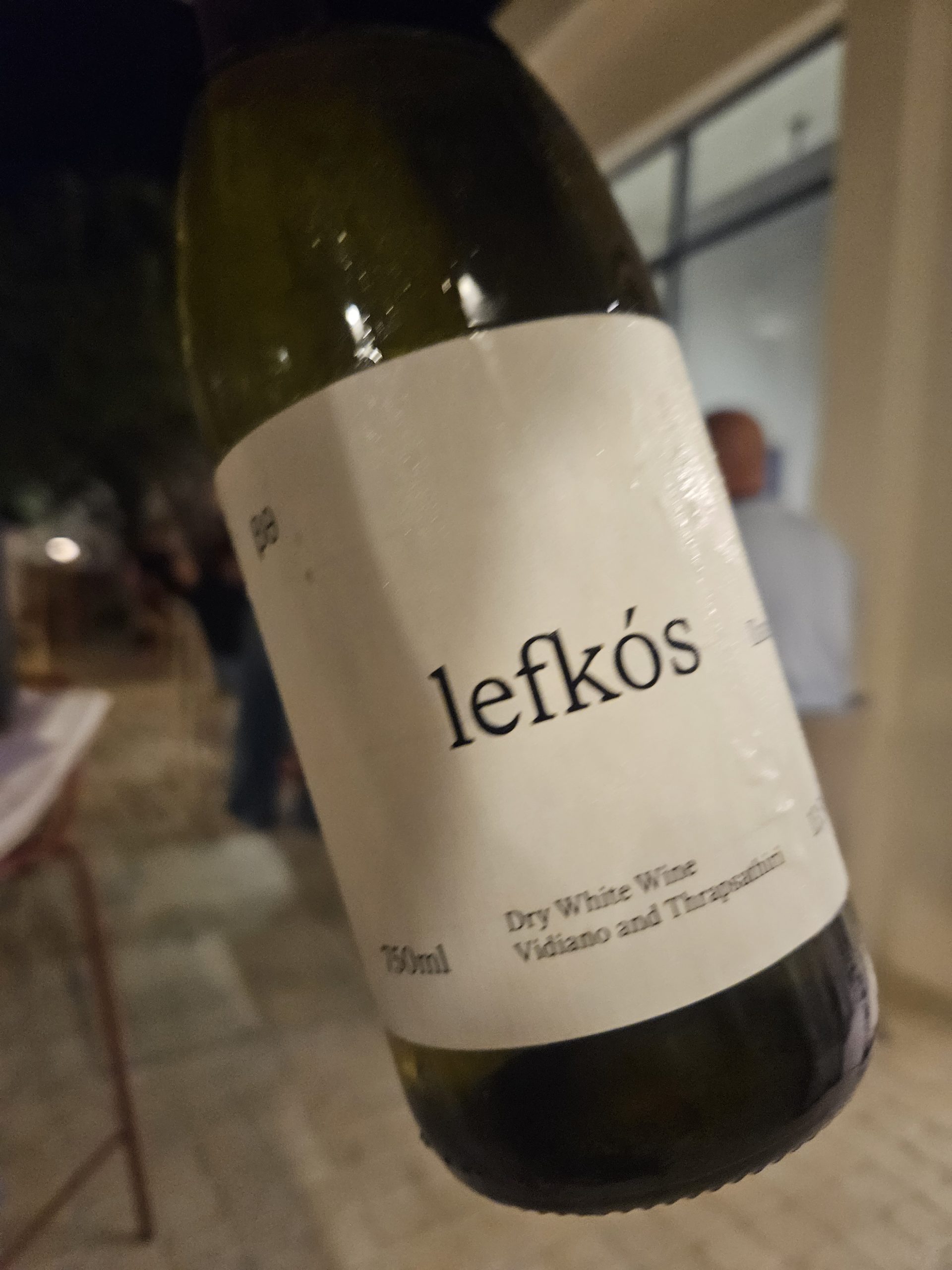
Our next wine took us to Crete, as we wanted to explore some of the island’s local grape varieties. We chose Malihin Lefkós, produced by winemaker Iliana Malihin from Rethymno. It is a dry white wine made from the indigenous Cretan varieties Vidiano and Thrapsathiri. The grapes come from vineyards located at altitudes ranging from 560 to 900 metres, while the winemaking follows a low-intervention philosophy, using indigenous yeasts and low levels of sulphites.
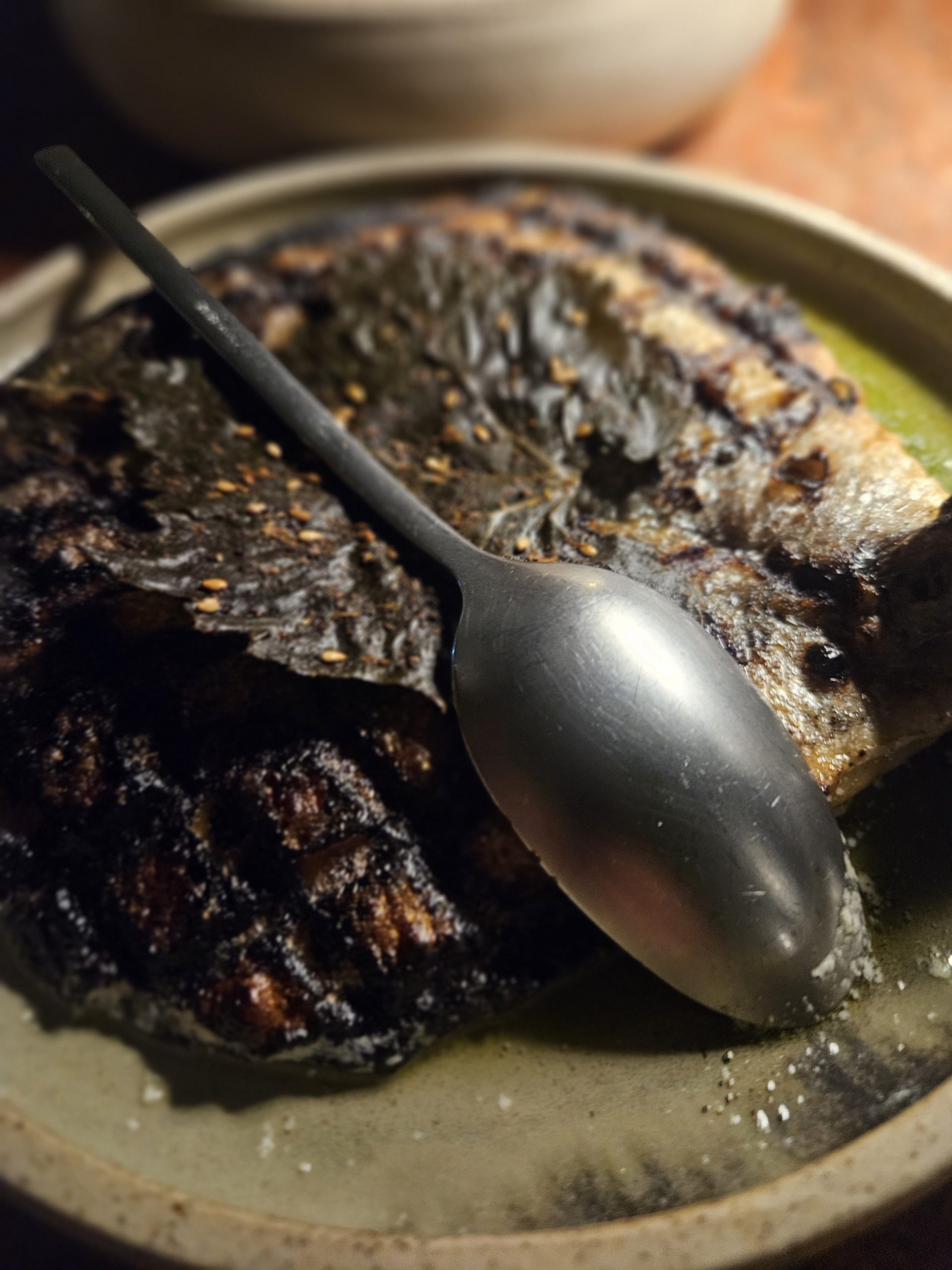
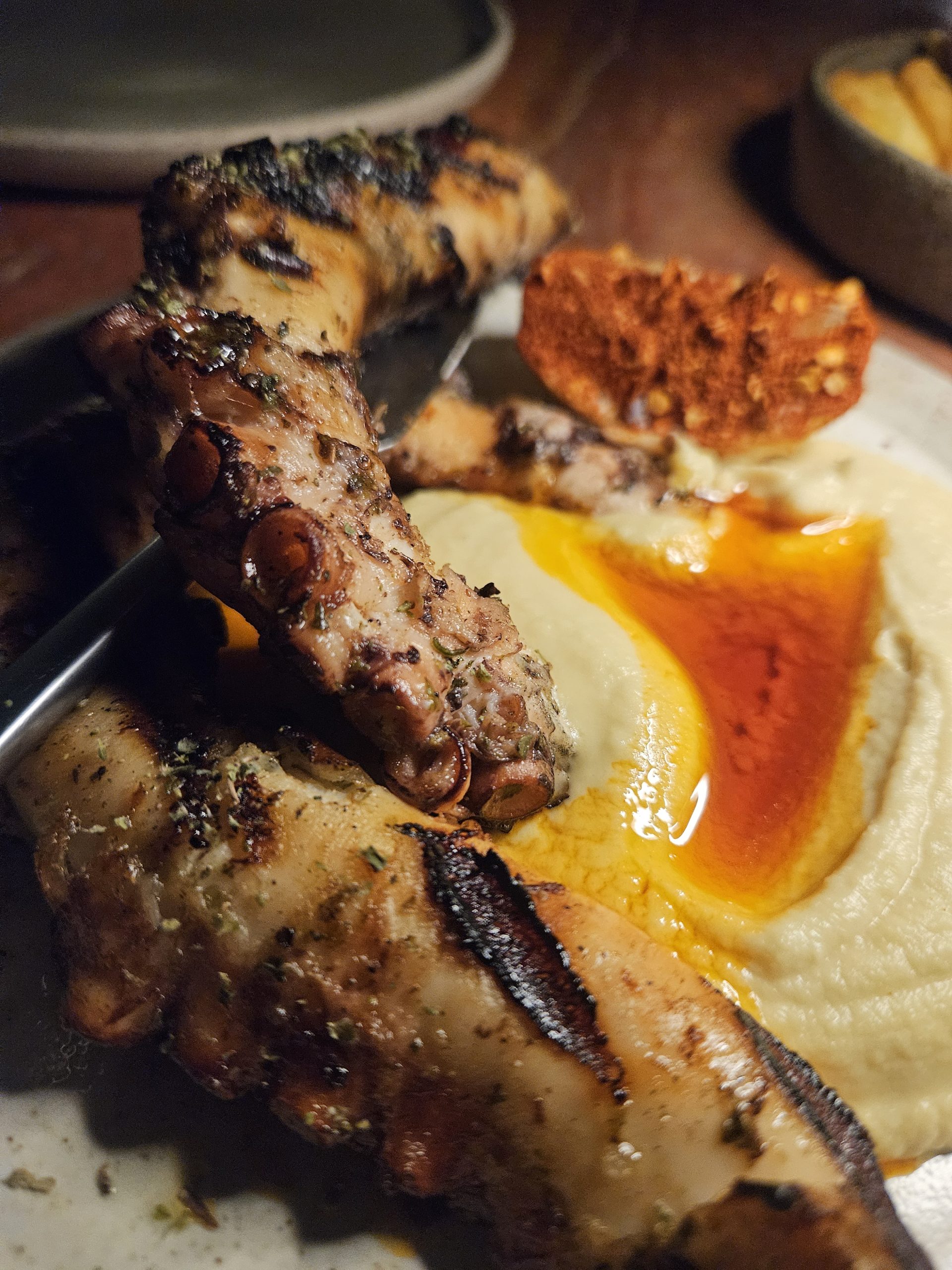
The octopus was grilled, giving it greater intensity and depth of flavour. The accompanying fava mousse added a softer, more earthy dimension, creating an interesting contrast within the dish.
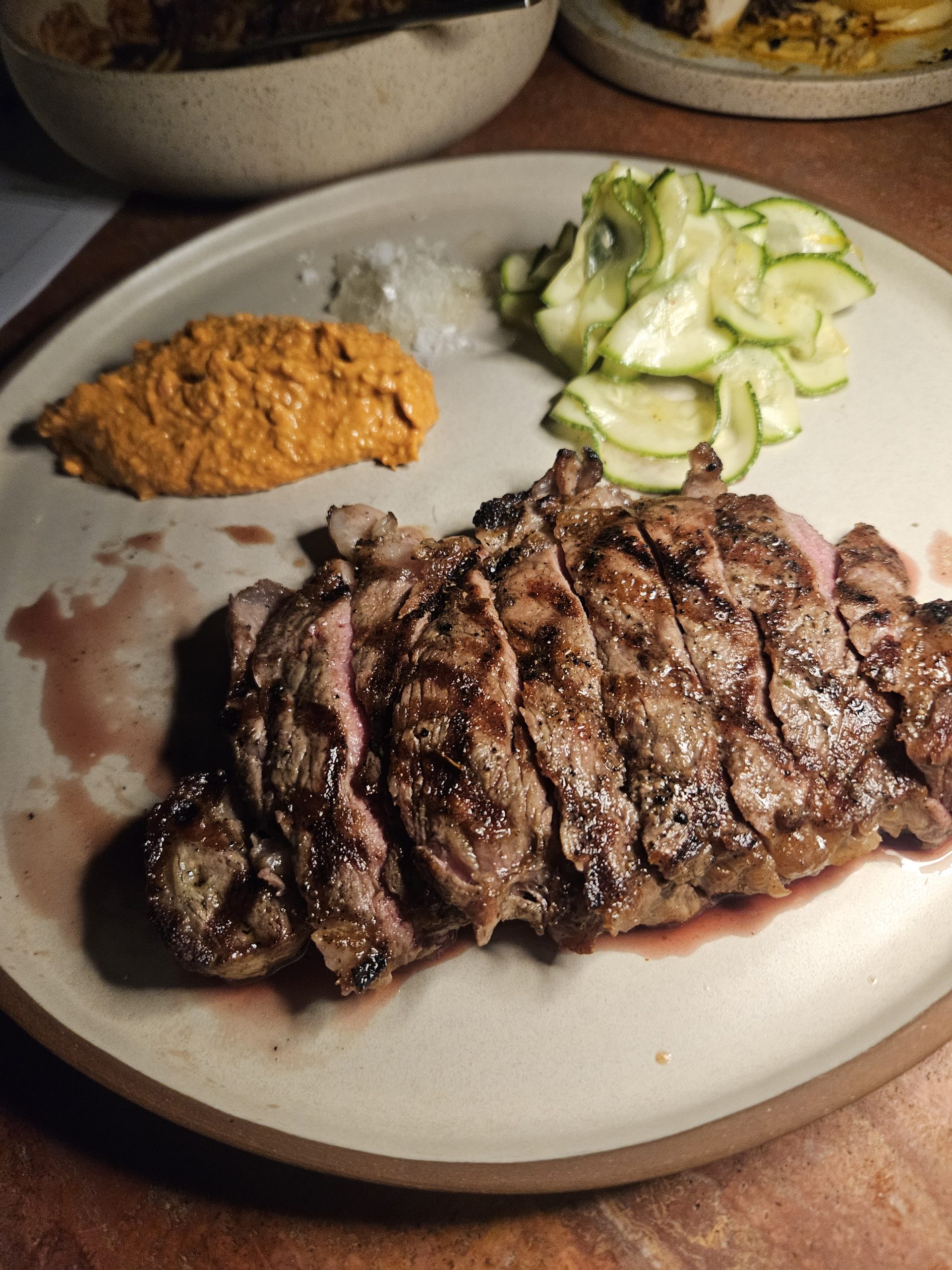
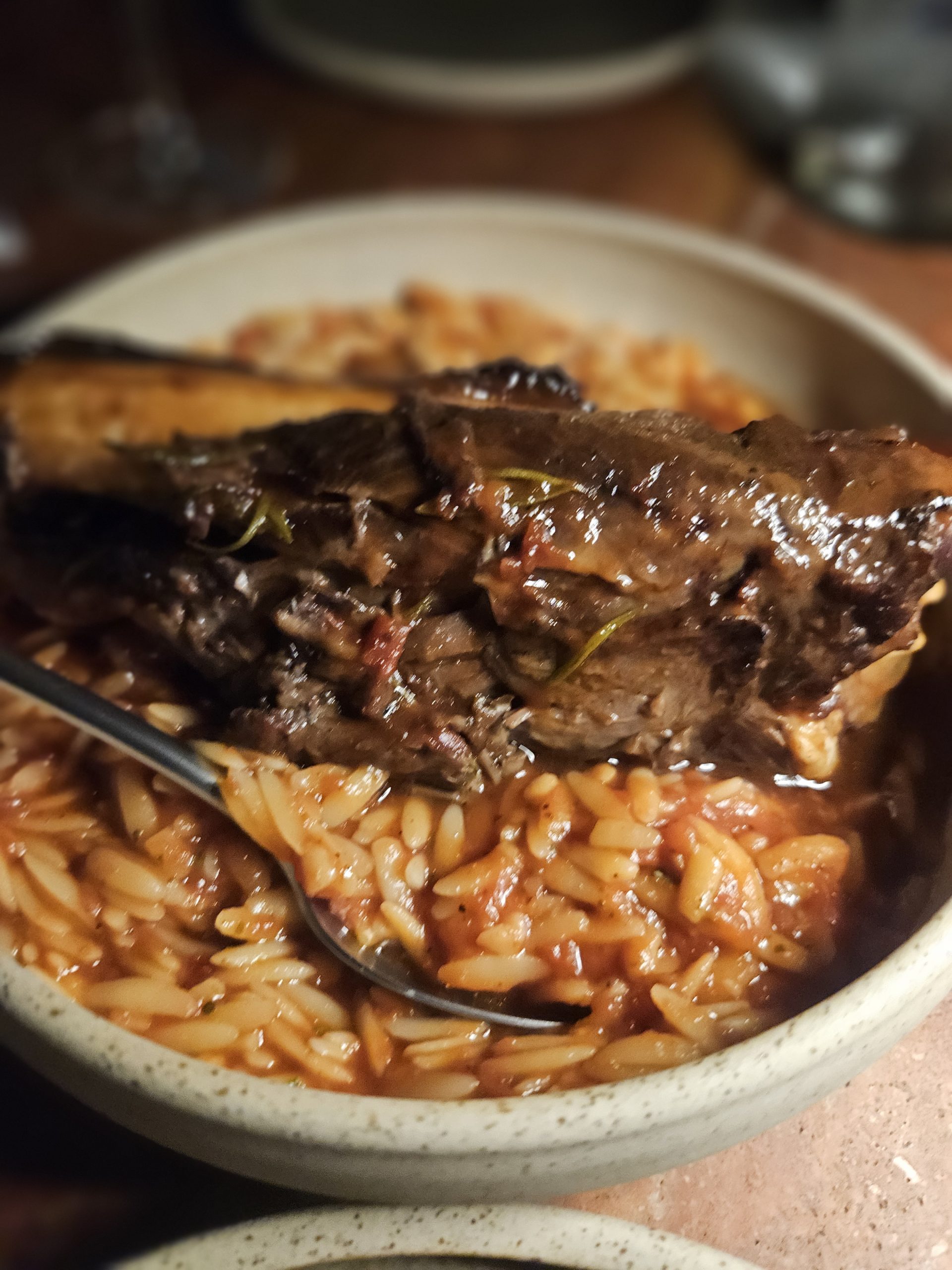
We left the lamb shank, slow-roasted in the oven and served with orzo, along with the beef tagliata, for last. Both dishes were well executed, although neither quite exceeded our expectations. With the tagliata, allowing the meat a little more time to rest would have improved the final result, while the orzo could have benefited from greater intensity and depth of flavour to better complement the lamb.
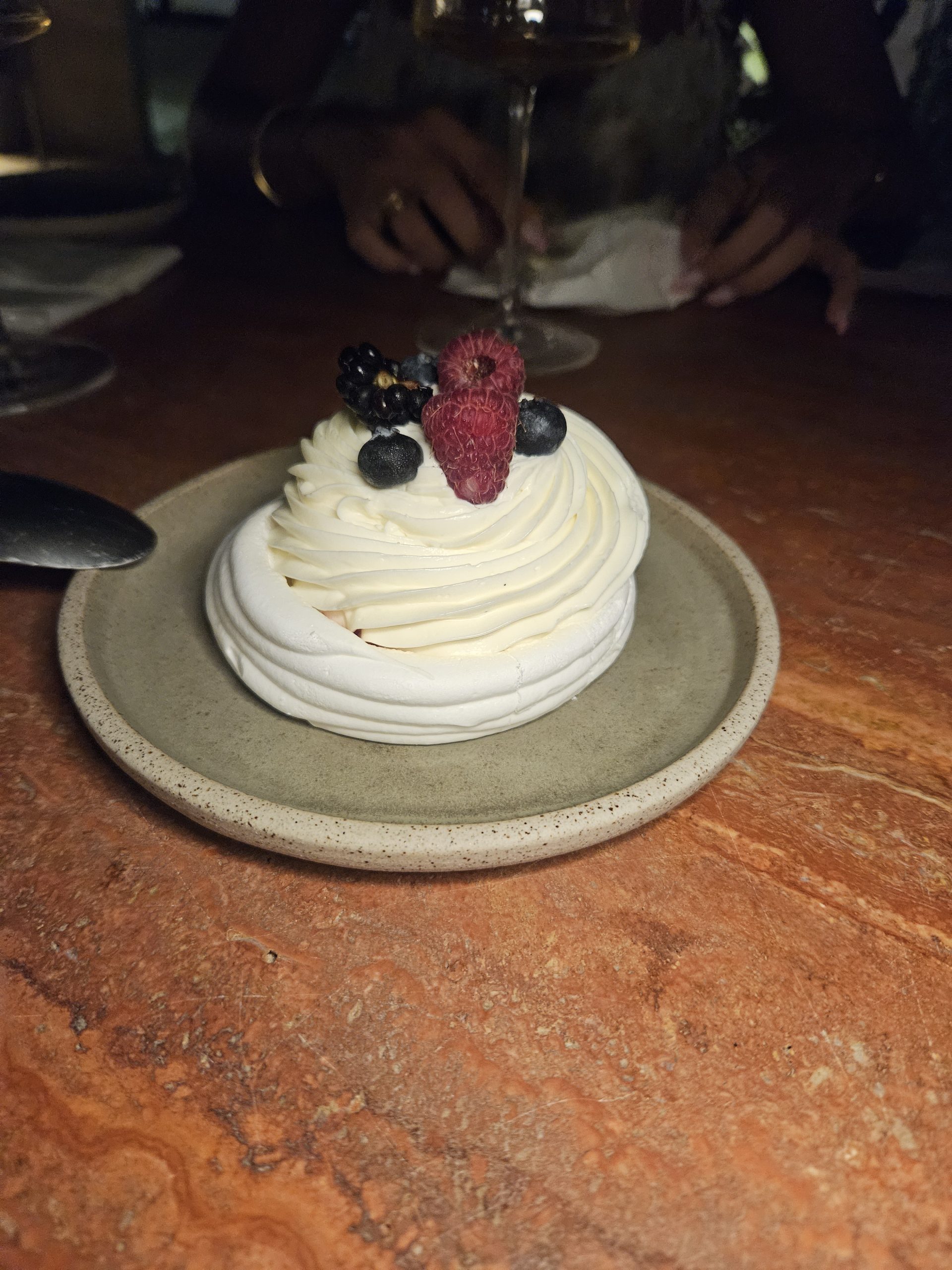
The finale was a true feast of colour. The pavlova was undoubtedly one of the best we have ever tasted. The crisp meringue, combined with the cream and raspberry jam at its centre, created an exceptional balance of textures and flavours, bringing the evening to a perfect close.
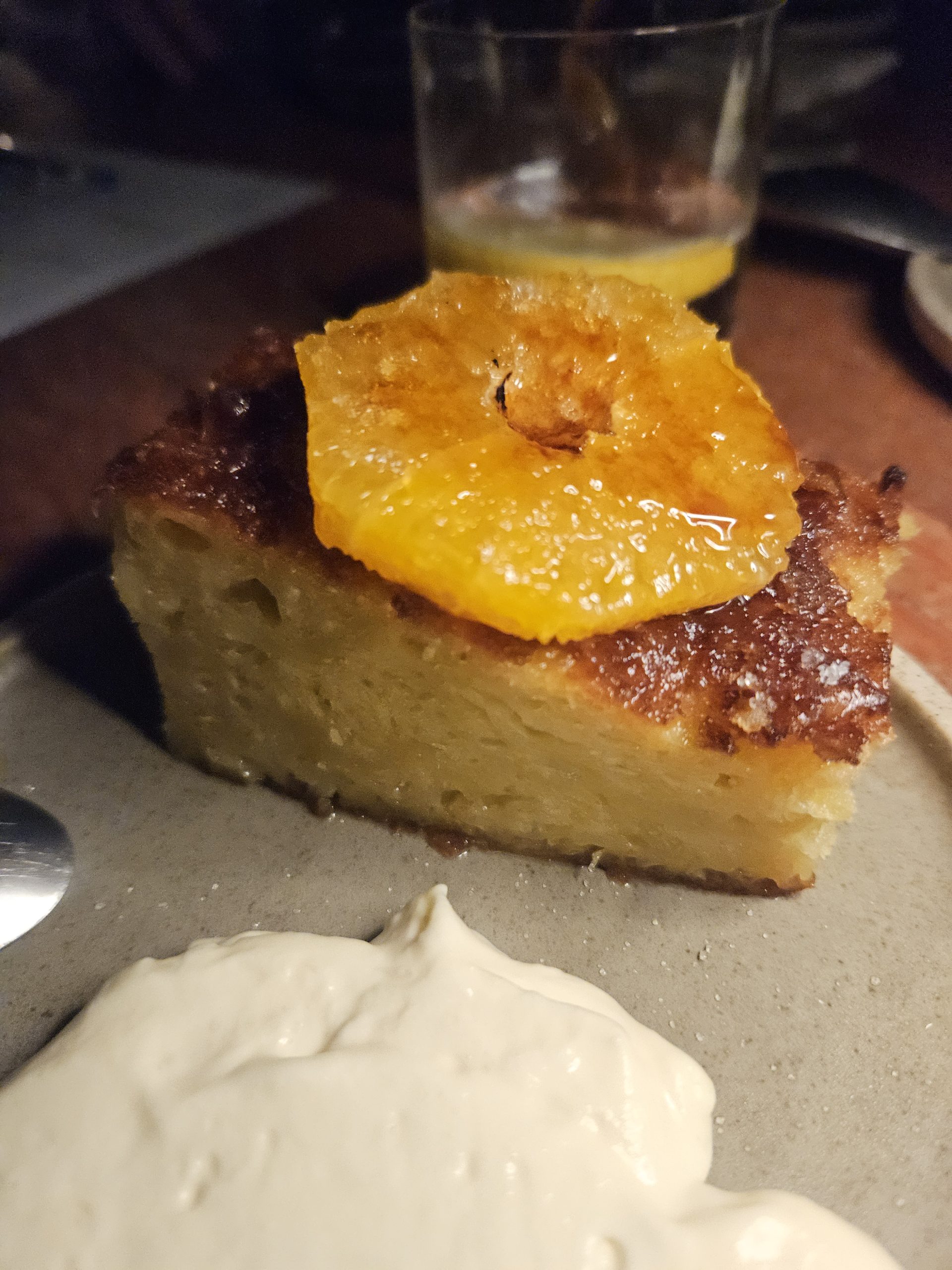
We also tried the orange pie, which was pleasant, perfectly soaked in syrup and beautifully presented.
Nevertheless, the potential of Nima Social House is clear. With time, experience and a continued commitment to improvement, it has all the right ingredients to evolve into an even more complete and distinctive culinary destination—not only for Larnaca, but for the wider region as well.
Would we return? Undoubtedly, yes. Would we recommend it? Again, yes. Nima Social House deserves a place on your list of culinary escapes in Larnaca.